Here are the new rules:
General advice
1. Smoking legislation
Avoid smoking while driving – this is a distraction and can cause dangerous driving.
2. In slow-moving traffic
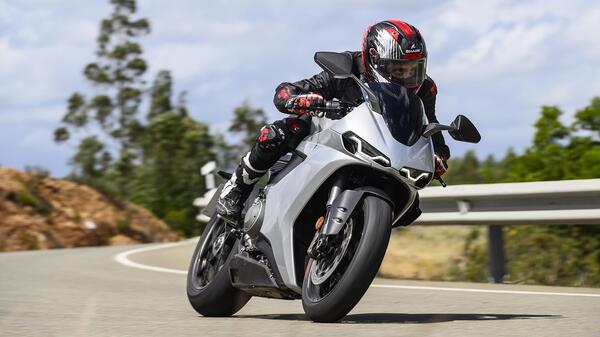
Be aware of cyclists and motorcyclists who may be passing on either side of your vehicle.
3. Vehicles prohibited from using roads and pavements
These vehicles are not allowed to be used on roads, pavements, footpaths, cycle paths or bridleways:
- Miniature motorcycles (mini motos)
- Motorised scooters
- Quad bikes
- Motorised scooters
Only some model types can be used on roads if properly taxed and insured. Check with the vehicle manufacturer first.
Motorways
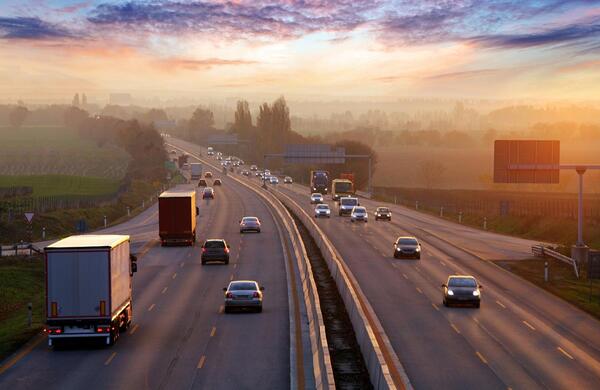
4. Active Traffic Management (ATM)
In areas where ATM Schemes are in force, the hard shoulder usage can change. The signs for these changes are:
- A speed limit sign, which means you can use the hard shoulder as a running lane
- A red cross or blank sign above the hard shoulder, meaning you can only drive on the hard shoulder in an emergency or breakdown. Move into a new emergency refuge area as soon as possible.
Rules for drivers and motorcyclists
5. Fitness to drive
Slow down and stop if necessary, when dazzled by bright sunlight.
Signals
6. Other stopping procedures
Vehicle and Operator Services Agency (VOSA) and Highways Agency Traffic Officers have the power to stop you. They will flash amber lights to request:
- To follow them to a safe place to stop if they flash from the front
- To pull over if flashed from behind
Control of the vehicle
7. The driver and the environment
Never leave a parked vehicle unattended with the engine running on a public road, so emissions are reduced. If the vehicle is remaining stationary, apply the hand brake. You can only leave the engine running if the vehicle is stationary in traffic or for diagnosing faults.
Multi-lane carriageways
8. High occupancy vehicle lanes
You mustn’t drive in high-occupancy vehicle (HOV) lanes during their times of operation unless signs state your vehicle is permitted. This is similar to bus and cycle lanes.
When in operation, HOV lanes can only be used by:
- Vehicles containing the minimum number of people indicated on the signs
- Other vehicles shown on signs prior to the start of the lane
Rules for pedestrians
9. Equestrian crossings
These are used by horse riders, with wide crossing spaces and pavement barriers. The lights show simply green or red and the crossings are usually parallel.
Rules for cyclists
10. Crossing the road
Take extra care when crossing the tracks at tramways and level crossings. Dismount where a “cyclist dismount” sign is displayed.
Road works, level crossings and tramways
11. Overhead electric lines on railway crossings
Only pass through a railway level crossing if your vehicle is below the height barrier and bells in height. The clearance available is usually 5 metres but this may be lower.
12. Tramway obstructions
- Don’t park your vehicle where it would get in the way of trams
- Don’t park where it would force other drivers to do so
- Don’t stop on any part of a tram track, except in a designated bay
13. Give priority to trams
Always give priority to trams and their passengers, especially when:
- They signal to pull away from stops, unless this isn’t safe
- They’re carrying large numbers of standing passengers - who could be injured in an emergency stop
- People are getting off a bus or tram and crossing the road
14. Overhead electric lines at tramways
Ensure that you have sufficient clearance between the overhead wire and your vehicle before driving under one.
- They’re usually 5.8 metres above any carriageway, but can be lower. Drivers of vehicles with extending cranes, booms, tipping apparatus or other types of variable height equipment should ensure that the equipment is fully lowered.
- Height clearance markings - similar to ‘low bridge’ signs – will be displayed for wires lower than 5.8 metres.
- If in doubt as to whether your vehicle will pass safely under the wires, contact the local police or the tramway operator.
Road users requiring extra care
15. Home zones and quiet lanes
Drive slowly in places where people could be using the whole of the road for an activity, such as children playing or a community event. Be prepared to stop and allow people extra time to make space for you to pass safely.
Rules about animals
16. Horse-drawn vehicles
This type of vehicle should be operated and maintained in accordance with standards set out in the Department for Transport’s Code of Practice for Horse-Drawn Vehicles. This Code includes a list of safety checks to ensure that a carriage and its fittings are safe and in good working order.
Photos and content courtesy of Paul Malley, Department for Transport Press Officer.

Auto Trader links
Smoking drivers risk prosecution
Motorists face penalty point increase
Porsche driver caught doing 172mph jailed
Cars coming soon
Nuisance passengers drive us mad
Speed cameras miss half of speeders
Top Gear’s Richard Hammond speaks after crash
Permalink URL >> http://www.autotrader.co.uk/EDITORIAL/car_page_content/36651.html